

Introduction
Foundation excavation is one of the most critical stages in any residential construction project. It sets the stage for everything that follows, and mistakes made here can compromise the entire structure. Adhering to best practices not only ensures the safety and stability of the building but also prevents costly delays and rework. Here’s a comprehensive guide to foundation excavation tailored specifically for residential builds.
1. Site Preparation and Soil Testing
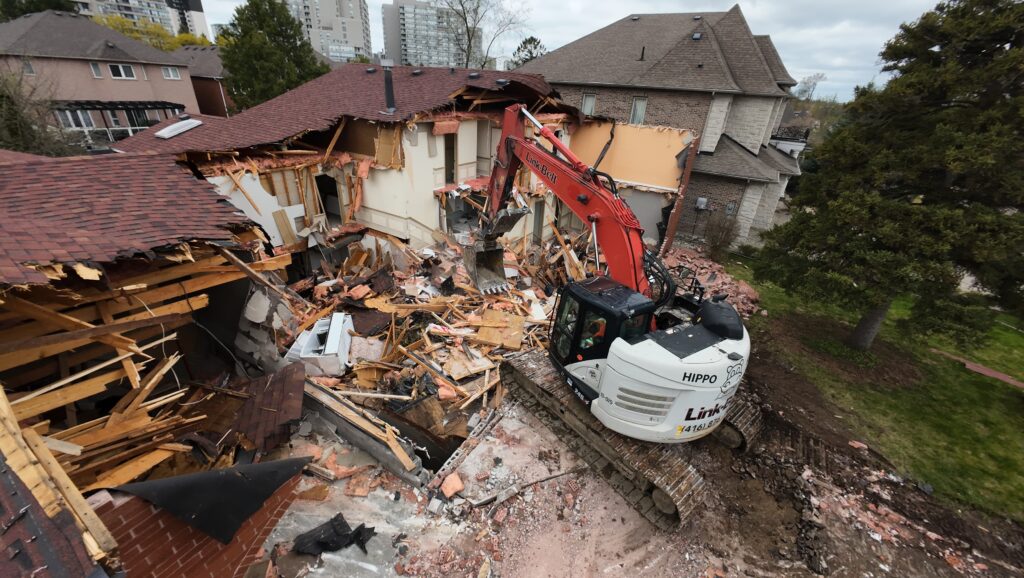
Before any digging begins, thorough site preparation is essential. This includes clearing debris, vegetation, and any previous structures. More importantly, soil testing must be conducted to determine the type, strength, and drainage capabilities of the soil. This information influences excavation depth, foundation design, and even the choice of materials.
2. Choosing the Right Equipment
Using the appropriate machinery for the size and condition of the site can dramatically improve efficiency and safety. For tight residential areas, compact excavators are often the best choice. In cases where deeper or larger excavations are required, standard tracked excavators or backhoes may be necessary. Equipment should be regularly inspected and well-maintained to avoid breakdowns during excavation.
3. Maintaining Accurate Depth and Dimensions
Precision matters when it comes to foundation depth and layout. Excavating too deep can lead to increased material costs and potential water accumulation, while shallow digs may not provide adequate support. Laser levels, GPS systems, or string-line methods can help crews maintain consistent measurements across the site.
4. Ensuring Proper Drainage
Poor drainage around a foundation can lead to water infiltration, soil erosion, and structural damage over time. Ensure that your excavation plan includes a slope away from the foundation, and consider installing gravel layers or drainage pipes beneath the foundation. It’s far easier to plan for drainage now than to retrofit it later.
5. Safety Protocols on Residential Sites
Residential neighborhoods present unique safety challenges. Workers must be cautious of underground utilities, tight spaces, and nearby pedestrians. OSHA-recommended trench safety measures—like shoring systems or trench boxes—should always be followed. It’s also important to secure the site perimeter to prevent unauthorized access.
6. Working Around Existing Structures
Infill lots and renovations often require excavating close to neighboring homes or infrastructure. Vibration monitoring, structural assessments, and protective barriers should be used to avoid damage to adjacent buildings. Communication with neighbors and local authorities is also key for minimizing disruption.
7. Managing Excavated Material
Excavated soil and debris need to be efficiently removed or stored in a way that doesn’t interfere with ongoing work. Consider using roll-off dumpsters, and make sure the area designated for soil stockpiling is firm and level. Keep the site clean to maintain accessibility and safety.
8. Final Inspection Before Foundation Work
Once excavation is complete, it’s crucial to conduct a final inspection. This includes verifying depth, slope, and alignment, checking for loose soil or water pooling, and confirming that all safety and drainage systems are in place. A structural engineer may be needed to approve the site before concrete is poured.
Conclusion
Excavating for a residential foundation is more than just digging—it’s a precise and carefully coordinated effort that lays the groundwork for a successful build. From site analysis to safety, every detail counts.