
Hidden Mistakes Contractors Avoid
Excavation is the foundation of every successful construction project—literally and figuratively. Whether it’s a new residential build, a commercial development, or infrastructure work, everything depends on the quality and safety of the excavation phase. Yet, despite its importance, many projects fail or face costly delays due to overlooked mistakes.
In this article, we’ll break down the hidden reasons excavation projects fail and how professional contractors avoid these pitfalls to keep construction on track.
1. Inadequate Site Investigation
- One of the most common reasons excavation projects fail is poor site investigation. Without proper knowledge of the soil conditions, underground utilities, and groundwater levels, contractors are essentially “digging blind.”
- Consequences: Cave-ins, equipment damage, water flooding, and unforeseen costs.
- Best Practice: Soil testing, ground-penetrating radar (GPR), and utility locating before any digging begins.
- Professional contractors invest in upfront site assessments because they know that every dollar spent on preparation saves thousands in potential delays.
2. Ignoring Shoring and Structural Support
In dense neighborhoods across Toronto and the GTA, excavation often takes place near existing buildings. Failing to reinforce excavation walls or neglecting shoring can lead to disastrous results.
- Common Mistake: Assuming shallow digs don’t need shoring.
- Risk: Soil collapse, damage to adjacent foundations, and worker injuries.
- Contractor Approach: Engineers design custom shoring systems (soldier piles, lagging, hydraulic braces) to stabilize the excavation safely.
Skipping shoring is one of the most expensive mistakes in construction, often resulting in lawsuits and regulatory fines.
3. Poor Project Coordination
Excavation isn’t a one-team job—it involves coordination with city inspectors, engineers, utility providers, and builders. Projects fail when communication breaks down.
- Mistake: Excavators working without aligning timelines with general contractors or utility companies.
- Result: Delays, work stoppages, and re-digging sections of the site
- Solution: Clear project scheduling and constant communication channels.
Professional contractors assign project managers to ensure everyone is on the same page.
4. Overlooking Permits and Legal Requirements
Skipping or rushing through the permitting process is another hidden mistake that derails projects. Municipalities in Ontario have strict rules for excavation, demolition, and shoring.
- Common Pitfall: Starting work without a demolition or excavation permit.
- Consequences: Stop-work orders, legal penalties, and reputational damage.
- Contractor Best Practice: Working with local authorities early to secure permits and inspections before mobilizing.
A professional excavation team knows that compliance protects both the project and the client.
5. Underestimating Equipment Needs
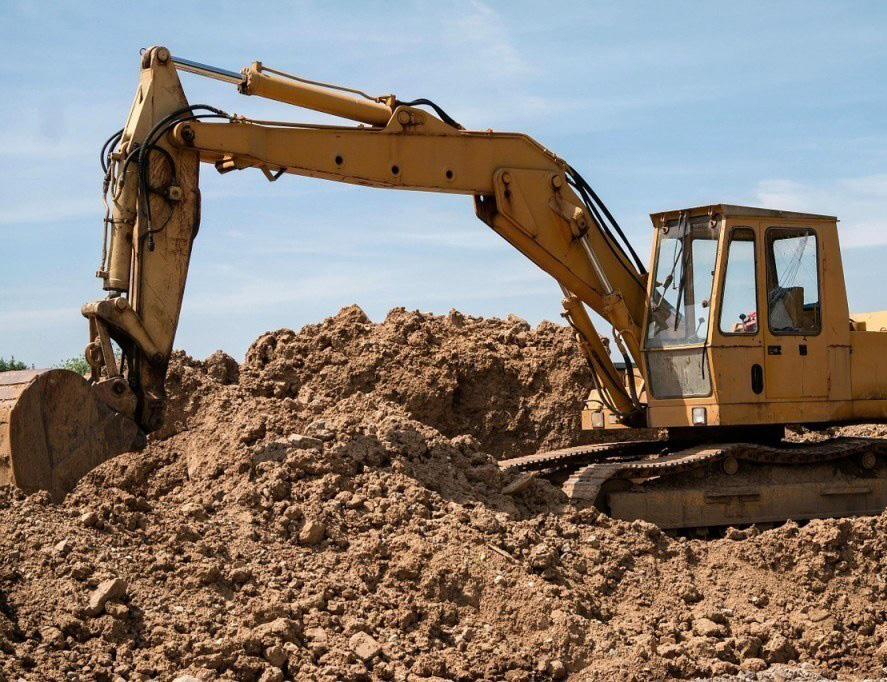
Many contractors fail because they underestimate the machinery required for the job. Using equipment that’s too small slows progress, while oversized equipment may cause unnecessary costs or damage in tight urban spaces.
- Risk: Missed deadlines, budget overruns, and safety hazards.
- Contractor Solution: Matching the right machinery (excavators, dump trucks, compactors) to the project scale and soil type.
- Example: A large excavation in Richmond Hill requires different equipment planning than a small downtown Toronto site.
Smart contractors strike the balance between productivity and precision.
6. Neglecting Safety Culture
7. Unrealistic Budgeting and Timelines
Hidden mistakes often stem from the planning phase. Some contractors underestimate costs or promise unrealistic deadlines to secure a project.
- Impact: Clients face mid-project price increases or stalled schedules.
- Avoidance Strategy: Transparent cost estimates, risk buffers, and clear communication with clients.
Professional excavation companies focus on accuracy over optimism to build trust and long-term partnerships.
Conclusion
Excavation projects don’t fail overnight—they fail because of hidden mistakes in preparation, safety, coordination, or compliance. From skipping shoring to ignoring permits, the consequences are costly, dangerous, and damaging to reputations.
That’s why hiring an experienced excavation contractor makes all the difference. With proper site assessments, structural support, legal compliance, and safety culture, professional contractors ensure your project is built on solid ground—literally.