

Introduction
Urban areas are constantly evolving, with new buildings, infrastructure, and housing developments reshaping the city landscape. Excavation work plays a crucial role in these projects, but in high-density neighborhoods like Toronto, Richmond Hill, and other parts of the GTA, safety becomes a top priority. With limited space, heavy pedestrian and vehicle traffic, and surrounding structures, excavation contractors must implement specialized strategies to ensure projects are carried out without risk.
This article explores how professional excavation contractors manage safety in crowded environments and the best practices that keep projects efficient, compliant, and secure.
1. Comprehensive Site Assessments
Before breaking ground, excavation contractors conduct detailed site assessments. This process includes:
- Soil Testing: Identifying soil type and stability to prevent collapses.
- Utility Mapping: Locating underground utilities such as water lines, gas pipes, and electrical cables to avoid costly and dangerous strikesStructural Impact Analy
- Structural Impact Analysis: Evaluating how excavation might affect nearby buildings and infrastructure.
In urban areas, where one wrong move can impact neighboring homes or businesses, this assessment step is non-negotiable.
2. Shoring and Structural Support Systems
One of the most critical safety measures in dense neighborhoods is shoring. Contractors use engineered support systems to stabilize excavation walls and protect workers as well as nearby structures.
- Types of Shoring: Soldier piles, sheet piling, and hydraulic shoring are common techniques.
- Protecting Adjacent Properties: Preventing soil movement that could cause cracks or foundation issues in surrounding buildings.
- Compliance with Building Codes: Ensuring shoring systems meet Ontario safety standards and municipal regulations.
By reinforcing the excavation site, contractors reduce the risk of cave-ins and structural failures.
3. Traffic and Pedestrian Management
- In downtown areas or residential neighborhoods, excavation projects often take place alongside active streets and sidewalks. To manage this risk, contractors:
- Install protective barriers and fencing around the site. Use flaggers and traffic control plans to guide vehicles safely. Provide clear pedestrian detours with visible signage. This ensures that daily city life continues safely while construction progresses.
4. Dust, Noise, and Environmental Safety
High-density areas mean that excavation projects are carried out near schools, offices, and homes. Contractors must minimize disruption while protecting public health.
- Dust Control: Using water sprays, misting systems, or dust screens.
- Noise Reduction: Operating during regulated hours and using low-noise equipment where possible.
- Environmental Protections: Preventing contaminated runoff from entering storm drains.
Contractors who prioritize environmental safety not only comply with regulations but also maintain positive community relations.
5. Worker Safety Protocols
The Occupational Health and Safety Act (OHSA) in Ontario sets strict standards for excavation projects. Contractors enforce:
- Personal Protective Equipment (PPE): Hard hats, high-visibility clothing, and fall protection gear.
- Regular Safety Training: Ensuring crews are trained in excavation hazards, equipment handling, and emergency response.
- On-Site Supervision: Safety officers monitor compliance with safety procedures daily.
In crowded urban projects, every precaution matters because even minor mistakes can have major consequences.
6. Emergency Preparedness
7. Leveraging Modern Technology
Technology is revolutionizing excavation safety in urban areas:
- 3D Modeling & Simulation: Predicting ground movement and potential hazards before digging.
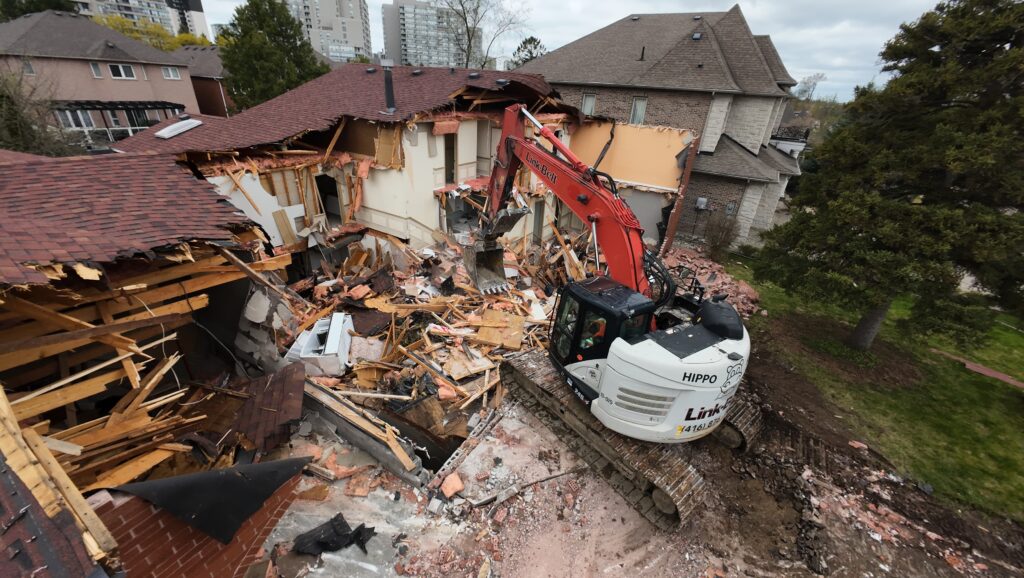
- Drones: Monitoring job sites from above to assess risks and progress.
- Real-Time Sensors: Detecting soil shifts or vibrations that could compromise nearby structures.
Contractors who invest in modern tools not only improve safety but also gain efficiency in complex urban projects.
Conclusion
Excavation in high-density urban areas requires far more than just heavy machinery—it demands careful planning, engineering expertise, and strict adherence to safety standards. From soil testing and shoring systems to traffic control and environmental safeguards, professional contractors in the GTA ensure that every project is executed safely and responsibly.
If you’re planning a construction project in a busy neighborhood, partnering with an experienced excavation contractor is essential. With the right team, your project can move forward smoothly while keeping workers, neighbors, and the city safe.