

Projects in 2025
Demolition may seem like the most straightforward part of a construction project, but it’s also one of the most dangerous. With evolving building materials, stricter municipal regulations, and increasingly populated urban areas, the safety protocols surrounding residential demolition have never been more important. In this article, we break down the top safety procedures to follow in 2025 for any home demolition project.
1. Comprehensive Site Assessment
- • Structural analysis to determine load-bearing walls and potential collapse hazards
- • Asbestos and hazardous material testing
- • Utility mapping to identify underground lines and overhead wires
- • Environmental impact checks. Skipping this step can lead to accidents, legal complications, or unexpected delays.
2. Permits and Notifications
3. Disconnecting Utilities
- A critical step in safety prep is ensuring all utilities are safely disconnected:
- • Electricity and gas lines must be shut off and capped
- • Water lines and sewage systems must be drained and terminated
- • Telecom and internet cables should be removed or safely isolated
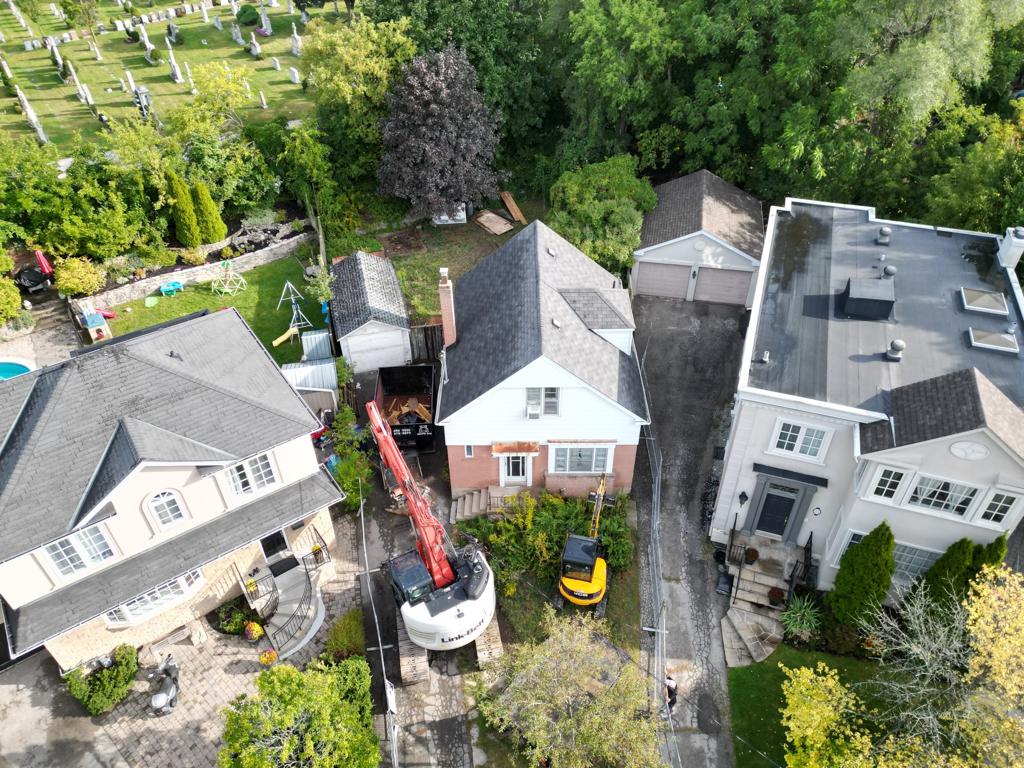
4. Fencing and Site Control
To protect both workers and the public:
- Install temporary fencing around the demolition site
- Post clear signage indicating danger zones
- Limit access to authorized personnel only
Site control is especially important in dense neighborhoods or urban areas.
5. Dust and Debris Management
Airborne particles from demolition can pose serious health risks and environmental violations. Best practices include:
- Using water spray systems to suppress dust
- Applying debris netting or scaffolding wraps
- Following city-specific protocols for dumpster placement and waste removal
Dust suppression is not just a courtesy—it’s a regulation in most GTA municipalities.
6. Safe Equipment Operation
Only trained and certified professionals should operate demolition machinery like:
- Excavators with hydraulic breakers
- Skid steers
- Cranes or bulldozers
All operators must wear appropriate PPE (Personal Protective Equipment) including helmets, gloves, steel-toe boots, and high-visibility vests.
7. Step-by-Step Demolition Plan
- A systematic demolition plan is vital:
- • Proceed to roof and upper floors
- • Start with non-structural components (windows, doors, interior walls)
- • Finish with foundation and structural supports
8. Emergency Preparedness
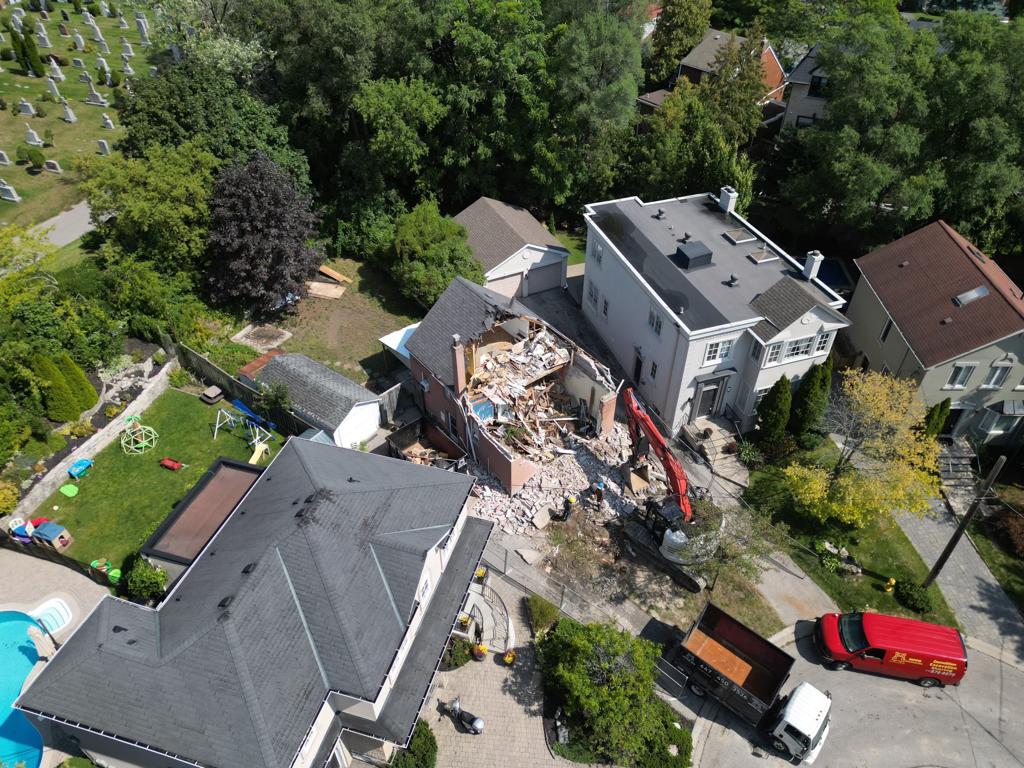
9. Waste Sorting and Recycling
With growing emphasis on sustainability:
- Separate wood, metal, concrete, and drywall for recycling
- Dispose of hazardous waste (e.g., lead paint or asbestos) according to city guidelines
- Maintain proper documentation for disposal
This not only supports environmental goals but also reduces landfill costs.
10. Post-Demolition Inspection
Before construction can resume, a final safety inspection must confirm:
- The site is free of unstable debris
- Trenches or pits are properly covered or shored
- Air and soil quality are within safe limits
This ensures a smooth transition to excavation or foundation work.
Final Thoughts
Residential demolition in 2025 demands more than brute force. It requires careful planning, regulatory compliance, and a relentless focus on safety. Homeowners and contractors alike benefit from following these protocols to protect workers, neighbors, and the future success of the project.
For professional demolition services in Toronto and the GTA, trust HIPPO Excavation to deliver safe, efficient, and regulation-compliant results.