
Introduction
Excavation is a foundational part of any construction or landscaping project. Whether you’re planning a new home foundation, installing a pool, or upgrading infrastructure, breaking ground without the right permits can lead to costly penalties, delays, and even legal action. Understanding the legal requirements before excavation isn’t just smart—it’s essential.
1. Why Permits Matter
- • Damage to underground utilities
- • Structural issues for nearby properties
- • Environmental contamination or erosion
- • Unauthorized land use in restricted zones
- Skipping this step can halt your project and increase your liability if something goes wrong.
2. Types of Permits Required
Depending on your region and the scope of your project, you may need multiple types of permits. Common examples include:
- Building Permit: Required when excavation is part of a larger construction.
- Excavation or Grading Permit: Issued for projects involving major soil movement.
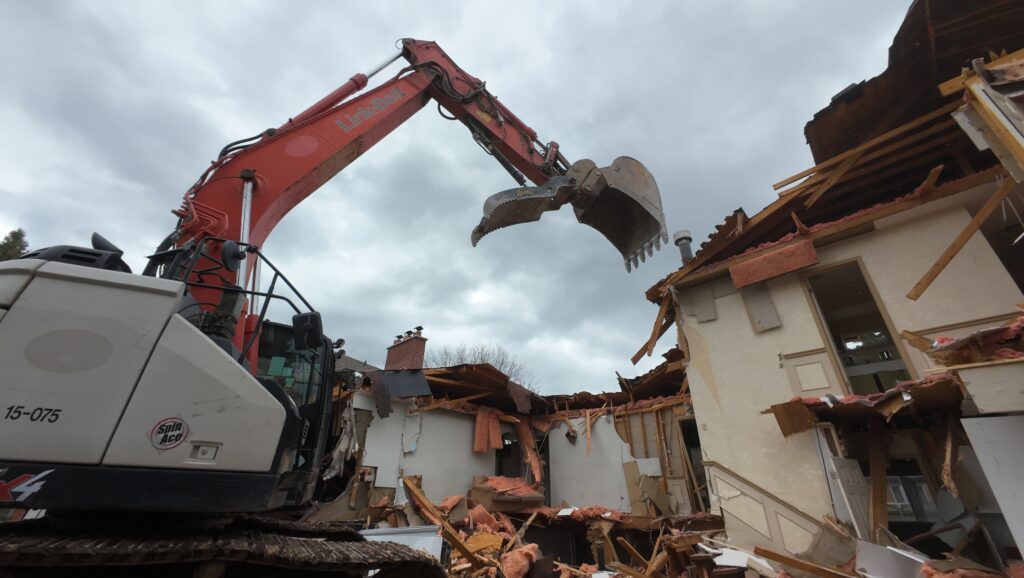
- Demolition Permit: Needed when removing existing structures before digging.
- Environmental or Heritage Permits: Required if your land has protected wildlife, wetlands, or historical features.
- Shoring Permit: Mandatory when deep excavation might affect adjacent properties.
Always consult with your local municipality to determine exactly what’s needed.
3. Call Before You Dig: Utility Locates
- In most countries and provinces (including Ontario), it’s legally required to contact a utility locating service (e.g., Ontario One Call) before digging. Utility locators will mark gas, water, electrical, and telecom lines so they aren’t accidentally damaged. Hitting a utility line not only puts workers in danger but can cause widespread service outages, fines, and lawsuits.
4. Who is Responsible for Obtaining Permits?
The responsibility typically falls on the property owner or the general contractor. In many professional excavation companies, the contractor will handle the permit applications as part of their service package. However, it’s vital to clarify this in writing before the project begins.
5. Steps to Obtain an Excavation Permit
Here’s a simplified version of the process in most areas:
- Initial Planning & Drawings – Prepare site plans, soil reports, and architectural/engineering drawings.
- Submit Application – File for permits at your local city or township office.
- Wait for Approval – This can take days to weeks depending on workload and project complexity.
- Inspection – Some permits require pre-dig site inspections.
- Receive Permit – Once approved, you’ll get documentation that must be posted on-site.
6. Common Challenges and Mistakes
- Not accounting for permit delays: Always build in time for bureaucracy.
- Missing permit types: Some homeowners overlook secondary permits like tree removal or heritage clearance.
- Unlicensed contractors: Make sure your excavation team is properly licensed and insured—many municipalities will reject permit applications otherwise.
7. Penalties for Non-Compliance
Operating without the required permits can lead to:
- Fines ranging from hundreds to thousands of dollars
- Forced project shutdown
- Civil liability for damage to public or neighboring property
- Difficulty reselling your property (unpermitted work can delay or void transactions)
8. Final Thoughts
Obtaining the right permits before excavation may seem like a hassle, but it’s a safeguard for your investment, your neighbors, and the environment. A professional excavation company will help you navigate the legal landscape so that your project starts and ends without a hitch.
If you’re unsure where to begin, contact your local municipal building department—or better yet, partner with a trusted contractor who handles the process for you.
Need excavation in Toronto or the GTA?
Let HIPPO handle your project—from permits to precision digging.
📞 Call us at (416) 876-8970
🌐 Visit: hippoexcavation.ca